The Importance of Using Mouthguards: Guarding Your Best Smile
Weekend athletes, kids in youth sports, and anyone who grinds their teeth at night can all benefit from wearing a mouthguard.
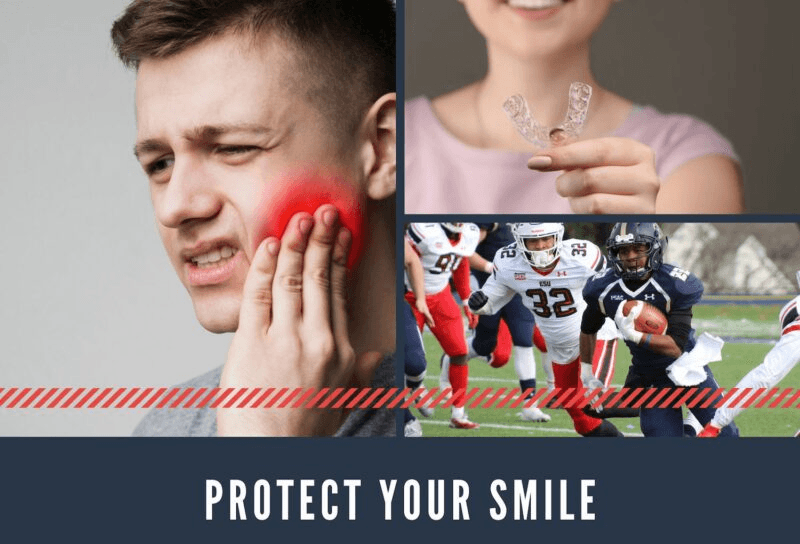
When most people hear "mouthguard," they picture professional athletes on the field. But mouthguards aren't just for the pros. Weekend athletes, kids in youth sports, and anyone who grinds their teeth at night can all benefit from wearing one.
Why Use a Mouthguard?
Protection During Sports
Whether you're playing a contact sport like football or a non-contact sport like basketball, there's always a risk of facial injury. A mouthguard acts as a cushion for blows that might otherwise result in broken teeth, injuries to the lips and face, and even jaw fractures.
Mouthguards matter even more for young athletes. They protect teeth that are still developing and can spare you expensive dental repairs if an injury happens.
Prevention of Nighttime Teeth Grinding
Many people unknowingly grind their teeth at night, a condition known as bruxism. Over time, this can lead to worn down, chipped, or damaged teeth, as well as headaches and jaw pain.
A special type of mouthguard, often called a nocturnal bite plate or bite splint, can be made for patients who grind. It takes the force of grinding so your teeth don't, and it can ease the headaches and jaw pain that often come with it.
Types of Mouthguards
Custom-Fitted Mouthguards
These are designed and made in a dental office or a professional laboratory based on your dentist's instructions. Custom-fitted by your dentist, these mouthguards are uniquely crafted to fit the exact contours of your individual teeth and mouth.
This precise fit not only ensures maximum protection but also makes it much more comfortable to wear. There's less bulk, meaning easier breathing and speaking.
Custom mouthguards cost a bit more than store-bought ones, but they're worth it. They last longer, protect better, and can save you from paying for dental repairs later.
Boil and Bite Mouthguards
Available at many sporting goods stores, these mouthguards are first softened in boiling water and then inserted and allowed to adapt to the shape of your mouth.
Stock Mouthguards
These are pre-made and ready to wear. Though they're the least expensive option, they often don't fit very well and can be bulky, making breathing and talking difficult.
Taking Care of Your Mouthguard
To keep your mouthguard clean and protecting you well, follow these tips:
- Clean it regularly: Rinse your mouthguard with cold water or with a mouth rinse before and after each use. Occasionally clean it with mild soap and a soft toothbrush.
- Store it properly: Keep your mouthguard in a sturdy, perforated container that allows air circulation, which helps prevent damage.
- Check for wear: Replace your mouthguard if it shows signs of wear, damage, or if it no longer fits properly, especially if you're a child or teenager, as your mouth will still be growing.
- Bring it to your dental check-ups: Your dentist can ensure it still fits well and is in good condition.
In Conclusion
A mouthguard is more than just a protective tool - it's an investment in the safety of your smile. Whether you're a dedicated athlete, someone who grinds their teeth at night, or a parent of a sporty youngster, the right mouthguard can make all the difference in preventing dental injuries.
If you're considering getting one, talk to your dentist. They can guide you on the best type for your needs and make sure it fits well and protects properly.
Protecting your teeth should always be a priority. With a mouthguard, you can confidently face challenges, whether on the sports field or in the quiet of night, knowing that your smile is guarded.
This blog post is provided for informational purposes only and should not be interpreted as medical advice. Always seek the advice of your doctor or other qualified health provider with any questions you may have regarding a medical condition.