Do You Really Need to Floss? Common Dental Myths
Some of the most repeated dental advice is wrong. Here is the truth behind common myths about flossing, brushing, and checkups.
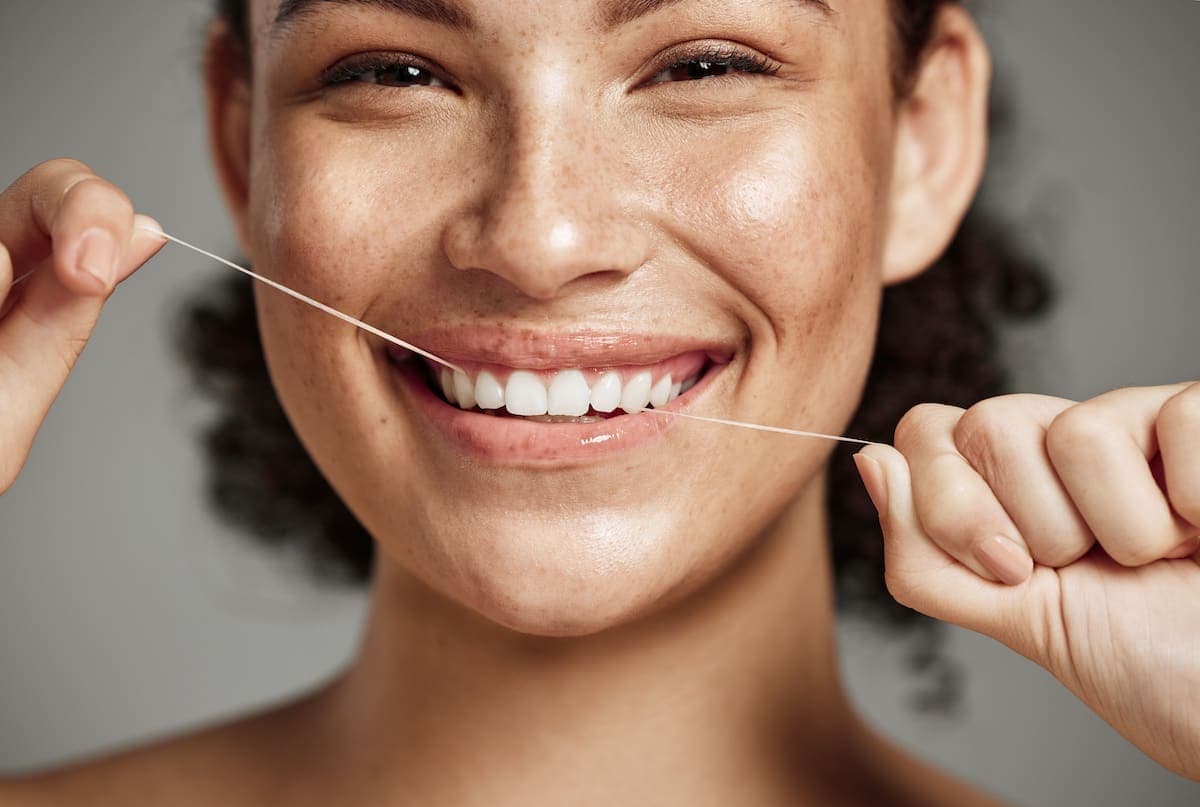
Dental advice gets passed along by friends, family, and the internet, and not all of it holds up. Here are some of the myths we hear most, and what is actually true.
Myth: "If I brush well, I do not need to floss."
A toothbrush cleans the front, back, and top surfaces of teeth, but it cannot reach between them, where many cavities and most gum disease begin. Flossing once a day, or using interdental brushes or a water flosser, clears plaque from those tight spaces.
Myth: "Bleeding gums mean I should stop flossing."
Bleeding is usually a sign of inflammation from plaque buildup, not damage from floss. Gentle, consistent flossing typically reduces bleeding within a week or two. If it continues, let us know, as it can be a sign of gum disease.
Myth: "Brushing harder cleans better."
Scrubbing hard can wear enamel and push gums back. A soft-bristled brush used gently for two minutes is more effective and much kinder to your teeth.
Myth: "Whiter teeth are healthier teeth."
Tooth color varies naturally and says little about health. A tooth can look bright white and still have decay, and slightly yellow teeth can be perfectly healthy.
Myth: "Sugar is the only thing that causes cavities."
Sugar feeds cavity-causing bacteria, but starches like chips and crackers do too, and acidic drinks weaken enamel even without sugar. How often you snack matters as much as what you eat.
Myth: "I only need to see a dentist when something hurts."
Many problems, including cavities, gum disease, and oral cancer, are painless in their early stages. Regular exams and cleanings let us catch them while treatment is simpler. Book your next visit.